
Root Canal Treatment in the Triad
Serving Greensboro, Winston-Salem, High Point, Asheboro, Kernersville, and the Surrounding Triad Area
What Root Canal Treatment Actually Is
Root canal treatment is an endodontic procedure that removes infected or damaged tissue from inside a tooth, eliminates the source of pain, and seals the tooth to prevent future infection, all while keeping the natural tooth intact. The American Association of Endodontists reports that more than 15 million root canals are performed in the United States each year. It's one of the most common procedures in dentistry.
The pulp inside a tooth can become infected or damaged from deep decay, a cracked tooth, repeated dental procedures on the same tooth, or a traumatic injury. When that happens, the pulp needs to come out. Left untreated, infection spreads, surrounding bone is damaged, and extraction becomes more likely over time. Root canal treatment stops that process and saves the tooth.
Despite its reputation, root canal treatment doesn't cause pain. It relieves it. Modern anesthesia, high-magnification microscopy, and 3D imaging have made the procedure more comfortable and more precise than ever before.

What to Expect at Your Appointment
Common symptoms include severe tooth pain when biting or chewing, prolonged sensitivity to heat or cold that doesn't go away once the source is removed, a visible darkening of the tooth, and swelling or a pimple-like bump on the gum near the affected tooth. Some teeth that need root canals have no obvious symptoms at all, which is why a referral from your general dentist is worth taking seriously. Endodontists are trained specifically to diagnose these conditions, including cases where standard X-rays don't tell the whole story.

Root Canal Myths Debunked
A few persistent myths keep people from getting treatment they need. Here's what the evidence actually shows.
Truth: The pain people associate with root canals is the infection, not the treatment. The procedure itself is performed under complete anesthesia. Study after study shows that patients report root canal treatment as no more uncomfortable than having a filling placed. Most patients who were nervous beforehand say they wish they hadn't waited.
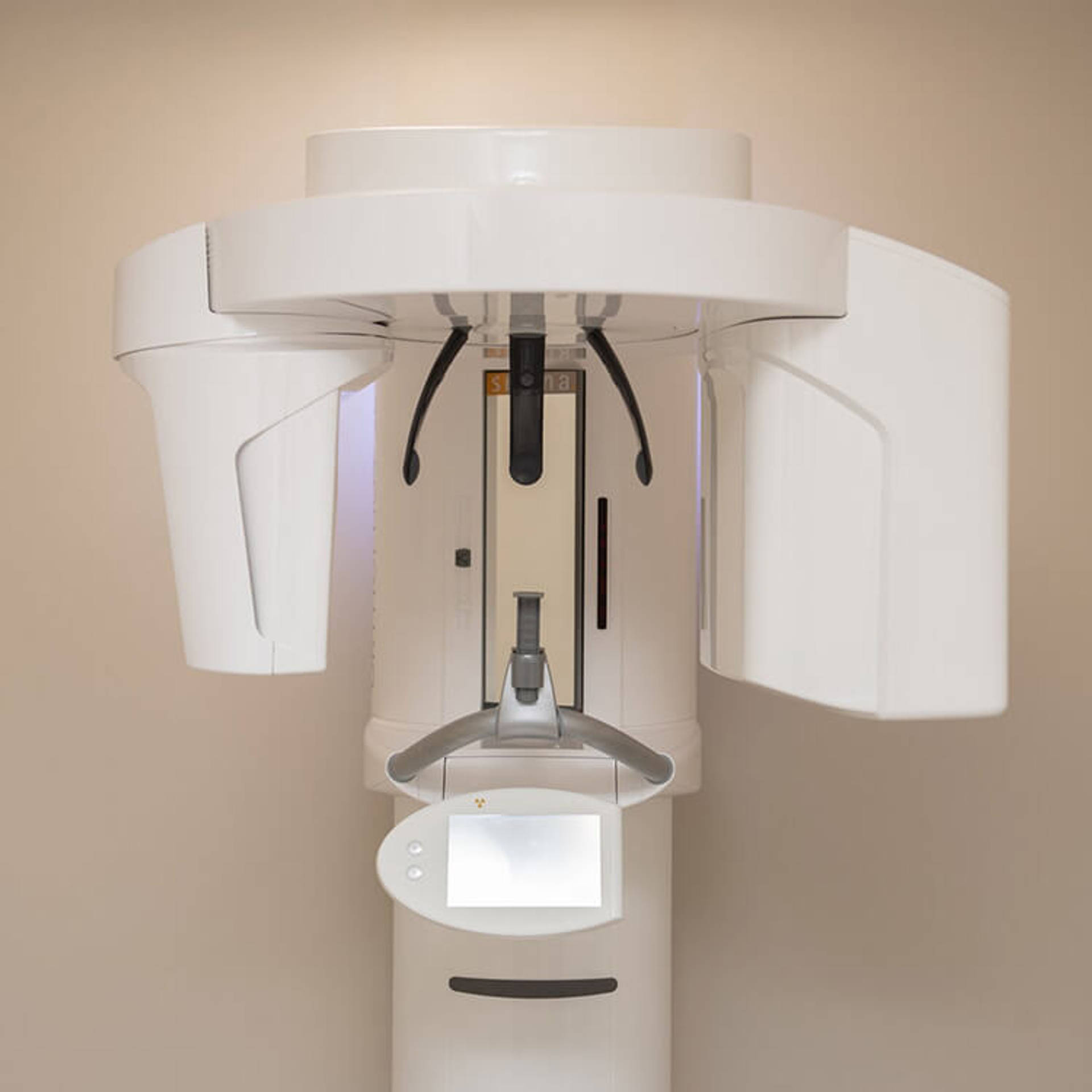
The Technology Behind Every Root Canal
The equipment used to perform a root canal matters. At Piedmont Endodontics, every procedure is performed with tools built specifically for endodontic specialty care.
Cone beam computed tomography gives us a three-dimensional view of your tooth's internal anatomy before we begin treatment. Standard X-rays show a two-dimensional image of a three-dimensional structure. CBCT imaging shows us canal curvature, root length, the relationship between roots and surrounding structures, and areas of infection that a flat X-ray can miss entirely. That information changes how we plan and perform treatment.

Endodontist vs. General Dentist: Why It Matters
General dentists can perform root canals. Endodontists do them every day, on every kind of tooth, with equipment built specifically for the procedure, and with two or more additional years of specialty training. The difference matters most in complex cases: teeth with curved or narrow canals, calcified root anatomy, multi-rooted molars, retreatments, and anything that requires surgical access. These are exactly the situations where specialist training and technology change outcomes.
All seven doctors at Piedmont Endodontics completed advanced endodontic specialty programs beyond dental school. All are working toward Diplomate status with the American Board of Endodontics and are members of the American Association of Endodontists. When your dentist refers you to us, that referral reflects a relationship built over years of working together and sharing patients.

Tooth Pain That Can't Wait
Dental pain at the level that typically signals a root canal is not something that gets better on its own. If you are in significant pain, have noticeable swelling, or have a tooth that is sensitive to the point of interrupting sleep or daily activity, call us. We reserve time every day for patients in pain, and a doctor is on call on weekends and holidays.
Our Greensboro office at 1602 Benjamin Parkway is the primary emergency access point for the Triad, though any of our five locations can help coordinate same-day care. Call 336-288-0010 for Greensboro or find your nearest office on our Contact page.
Greensboro's Endodontic Specialists Since 1973
Piedmont Endodontics has been performing root canal treatment in Greensboro for more than 50 years. Our Benjamin Parkway office is staffed by board-pursuing specialists who do nothing but endodontics. No general dentistry, no cleanings, no fillings. Just the focused, microsurgical care that root canals and related procedures require.
We use cone beam CT (CBCT) 3D imaging and Global Technologies surgical microscopes on every case. That combination of technology and experience means we handle cases that other practices refer out, and we handle them well. If your Greensboro-area dentist has sent you to us, it's because they trust us with people they care about. We take that seriously.
With five offices across the Triad, including Greensboro, Winston-Salem, High Point, Asheboro, and Kernersville, getting to a Piedmont Endodontics specialist is straightforward no matter where in the region you live.